
Total: $0.00
Taxes and shipping calculated at checkout

Arsenic can enter drinking water naturally through soil and rock, particularly in homes that rely on private wells. Because it typically has no noticeable taste, color, or odor, testing is the best way to know whether arsenic is present in your water.
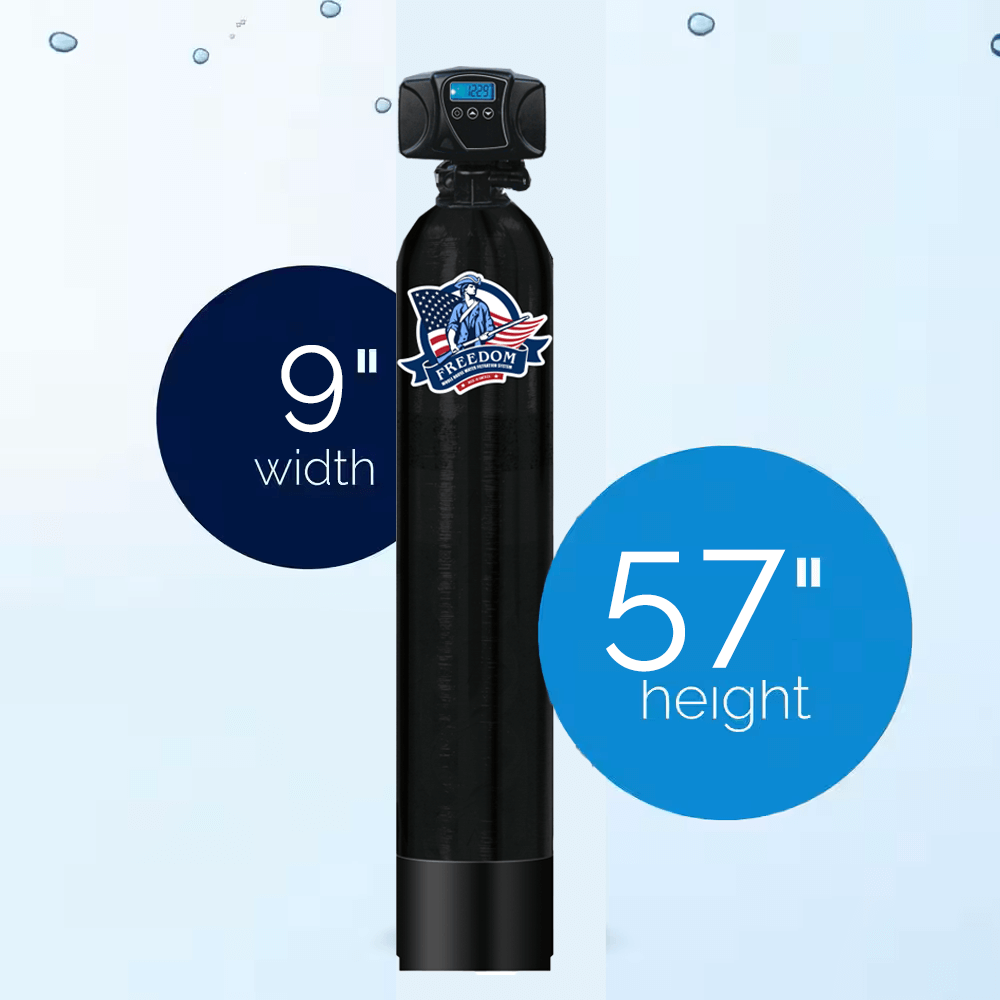
Freedom Water Systems offers whole house arsenic water filtration systems designed to significantly reduce arsenic and treat your water at the point it enters your home. That means filtered water is available throughout the house for drinking, cooking, bathing, and everyday use.
For homeowners who want to reduce fluoride throughout the entire home, the Freedom Fluoride Series is designed specifically for whole-home fluoride treatment. Unlike a single under-sink filter, a whole-home system treats water at the point of entry so filtered water is supplied throughout the house.
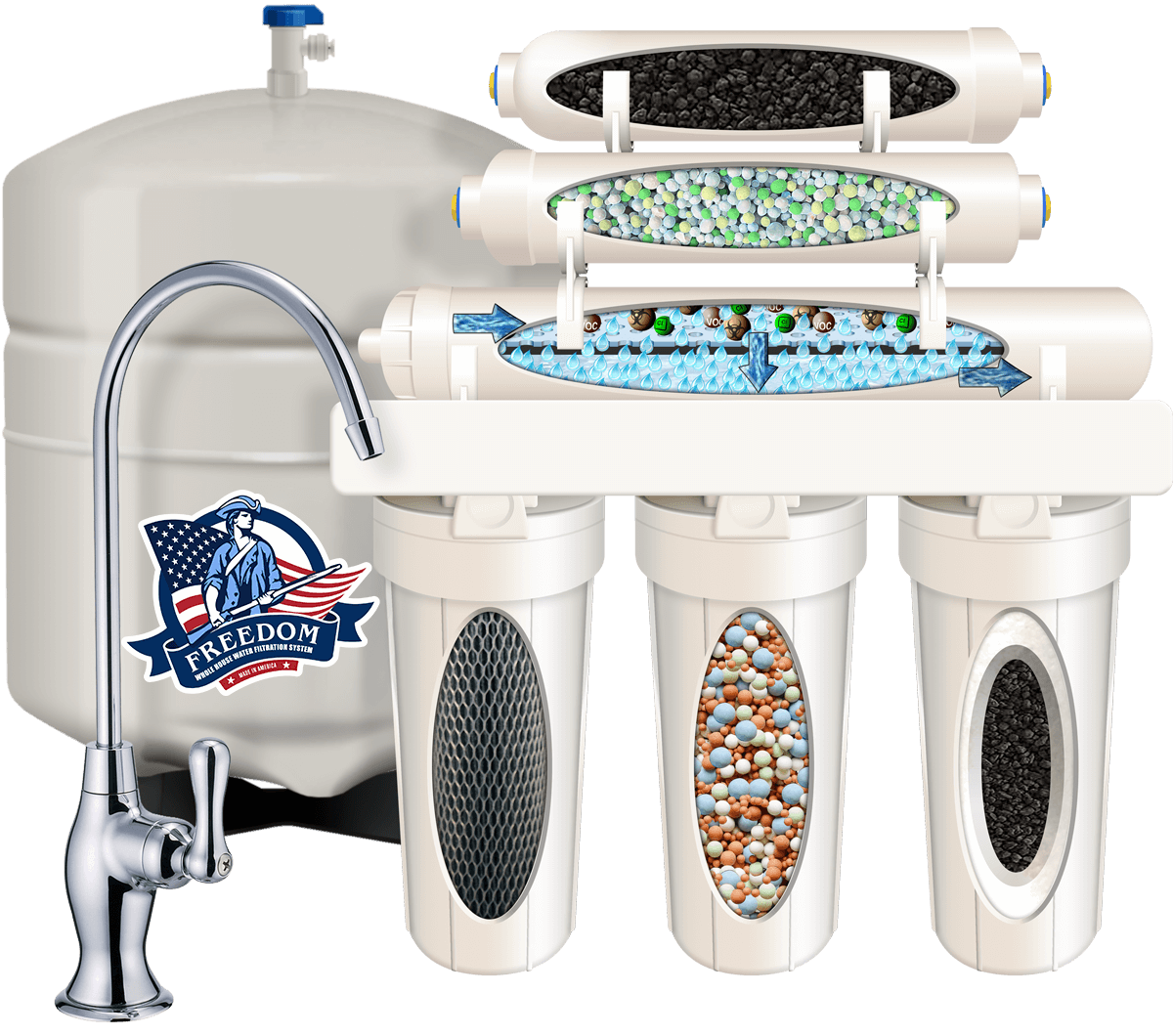
For drinking and cooking water only, reverse osmosis can also provide targeted fluoride reduction at the tap. The right approach depends on whether your goal is fluoride treatment at one faucet or throughout the entire home.


Arsenic generally has no noticeable taste, smell, or color, so the only reliable way to know if it is present is through water testing. This is especially important for homes that rely on private wells or groundwater.
Arsenic can be significantly reduced with properly selected treatment technologies. The best approach depends on the concentration and form of arsenic present, as well as the overall chemistry of your water.
Whole-house arsenic treatment may use specialized adsorption media, activated alumina, ion exchange, or other treatment technologies depending on the water conditions. For drinking and cooking water, reverse osmosis may also be an option. Testing should come first so the treatment system can be matched to the actual water problem.
Arsenic is often associated with groundwater because it can naturally leach from rock and soil into aquifers. Homes using private wells should test regularly because private well water is not routinely monitored in the same way as public water supplies.
That depends on where you want treatment and what your water test shows. A whole-house arsenic filtration system treats water as it enters the home, while a point-of-use system such as reverse osmosis treats water at a specific faucet. Freedom Water Systems can help determine which approach fits your water conditions and treatment goals.
Arsenic is a naturally occurring element found in rock, soil, and groundwater. It can enter private wells and other water supplies as groundwater moves through arsenic-containing geological formations.
Arsenic generally cannot be seen, smelled, or tasted. Water testing is the only reliable way to determine whether arsenic is present and at what concentration.
Arsenic in groundwater is often naturally occurring, although mining, agriculture, and certain industrial activities can also contribute to contamination in some areas. Homes that rely on private well water should pay particular attention to regular water testing.
Specialized treatment media can be designed to capture arsenic as water passes through the filtration system.
Activated alumina is commonly used for arsenic reduction when water conditions are appropriate for the treatment method.
Certain ion-exchange systems may be used for arsenic treatment when contaminant levels and overall water chemistry make the technology appropriate.
Reverse osmosis can provide an additional treatment option for drinking and cooking water when properly selected for the water conditions.
For homeowners who want arsenic treatment throughout the home, Freedom Water Systems offers the Arsenic Series Whole House Water Filtration System. A whole-house system treats water at the point it enters the home, providing filtered water to multiple fixtures and appliances.
The correct system should always be selected based on actual water conditions. Testing helps determine not only whether arsenic is present, but also whether other contaminants or water-quality issues need to be addressed at the same time.
Yes. If your home relies on private well water or you have concerns about arsenic in your area, testing can help determine the concentration present and guide the appropriate treatment approach.

Start with your water conditions. Freedom Water Systems can help you understand your results and determine which filtration approach may be appropriate for your home.


