
Total: $0.00
Taxes and shipping calculated at checkout
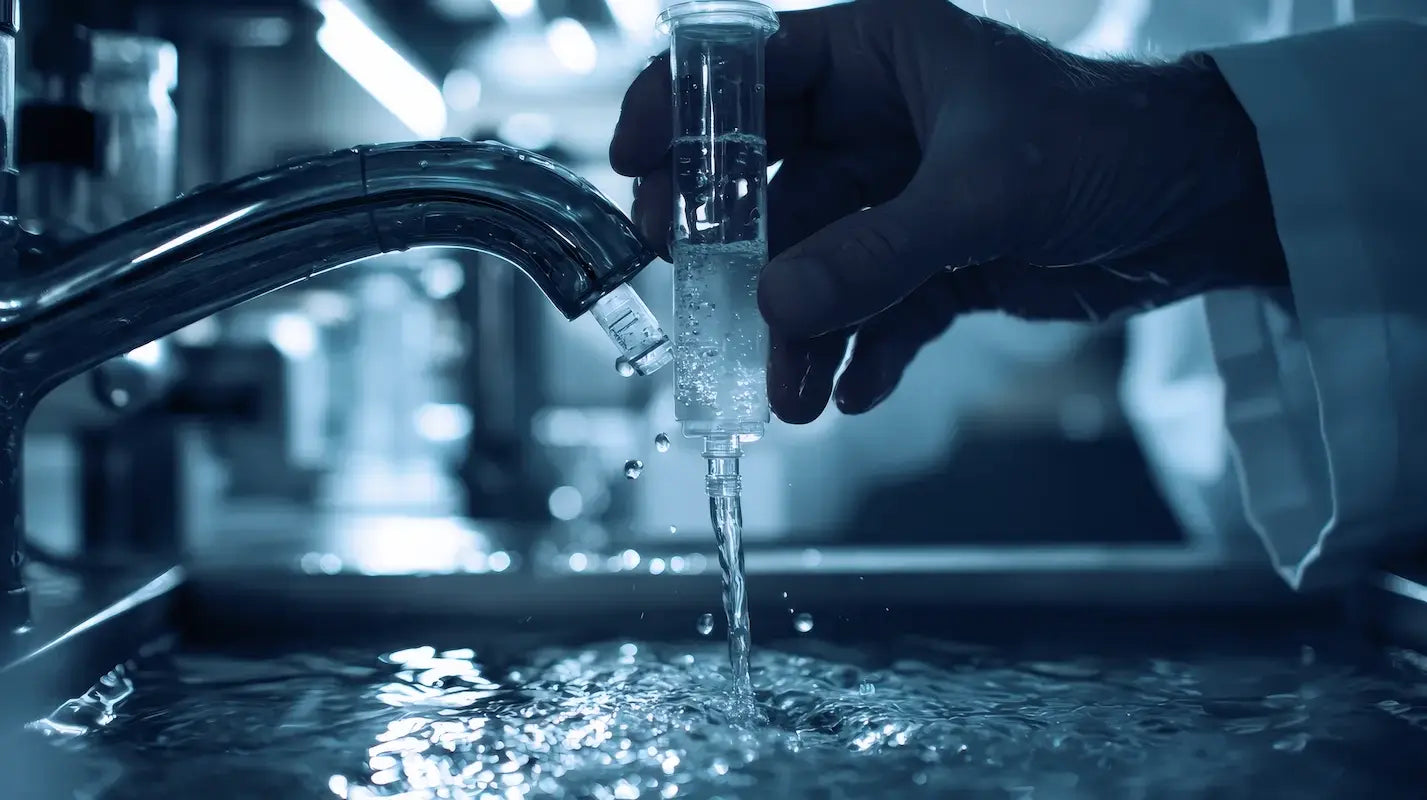
Lead can enter drinking water through older plumbing, service lines, and household fixtures. Because it can be difficult to detect without testing, the right filtration strategy starts with understanding where the lead is coming from.
Freedom Water Systems offers treatment options designed to help reduce lead and other contaminants in drinking water, giving your family an added layer of protection where it matters most.
The best treatment for lead depends on where the contamination is coming from and the amount present in your water. Lead can enter drinking water through service lines, older plumbing, solder, and household fixtures, so testing is an important first step before choosing a filtration system.
For drinking and cooking water, reverse osmosis and filters specifically certified for lead reduction are commonly used treatment options. If testing confirms lead in your water, choose a system based on your actual results and verified performance rather than relying on a general whole-house filtration claim.

Lead can be difficult to detect without testing, and the right treatment approach depends on the source of the lead, the amount present, and your home's plumbing. Below are answers to common questions about lead in drinking water, testing, filtration, and choosing an appropriate treatment system for your home.
For additional information about lead in drinking water, health risks, and testing, visit the U.S. EPA lead in drinking water resources.
Lead can enter drinking water when plumbing materials containing lead corrode. Common sources include older lead service lines, pipes, solder, faucets, and fixtures. The amount of lead can vary depending on the plumbing in your home and factors such as water chemistry, temperature, and how long water has been sitting in the pipes.
No. Lead in drinking water usually has no noticeable taste, smell, or color. Testing is the most reliable way to determine whether lead is present and at what level.
Treatment options for lead can include reverse osmosis and filters specifically certified for lead reduction. The best choice depends on your test results, the source of the lead, and whether you need treatment at a single tap or for a broader part of the home.
No. Boiling water does not remove lead and can actually increase its concentration as water evaporates. If lead is a concern, use an appropriate filtration method and follow guidance from your local water utility or public health agency.
Start with a water test to confirm whether lead is present and at what level. From there, consider where treatment is needed, the condition of your plumbing, and the performance data or certifications for the system you’re evaluating. For drinking and cooking water, a point-of-use system such as reverse osmosis may be appropriate when lead reduction is the primary concern.
Lead is a toxic metal that can enter drinking water when plumbing materials containing lead corrode. Unlike many water-quality problems, lead often comes from the service line, pipes, solder, faucets, or fixtures between the water source and the tap.
Because lead cannot usually be detected by taste, smell, or appearance, water testing is an important first step when determining whether treatment is needed and where the lead may be entering your water.
Common sources of lead in household drinking water can include:
Lead levels can vary from one home to another, even within the same neighborhood, because plumbing materials, water chemistry, and the amount of time water sits in the pipes can all affect exposure.
The right treatment approach depends on your test results and the source of the lead. When selecting a filtration system, look for verified performance or certification specifically for lead reduction rather than assuming that any general-purpose water filter will remove lead.
Point-of-use filters specifically tested or certified for lead reduction can provide targeted treatment for drinking and cooking water. Filter cartridges must be replaced according to the manufacturer's instructions to maintain expected performance.
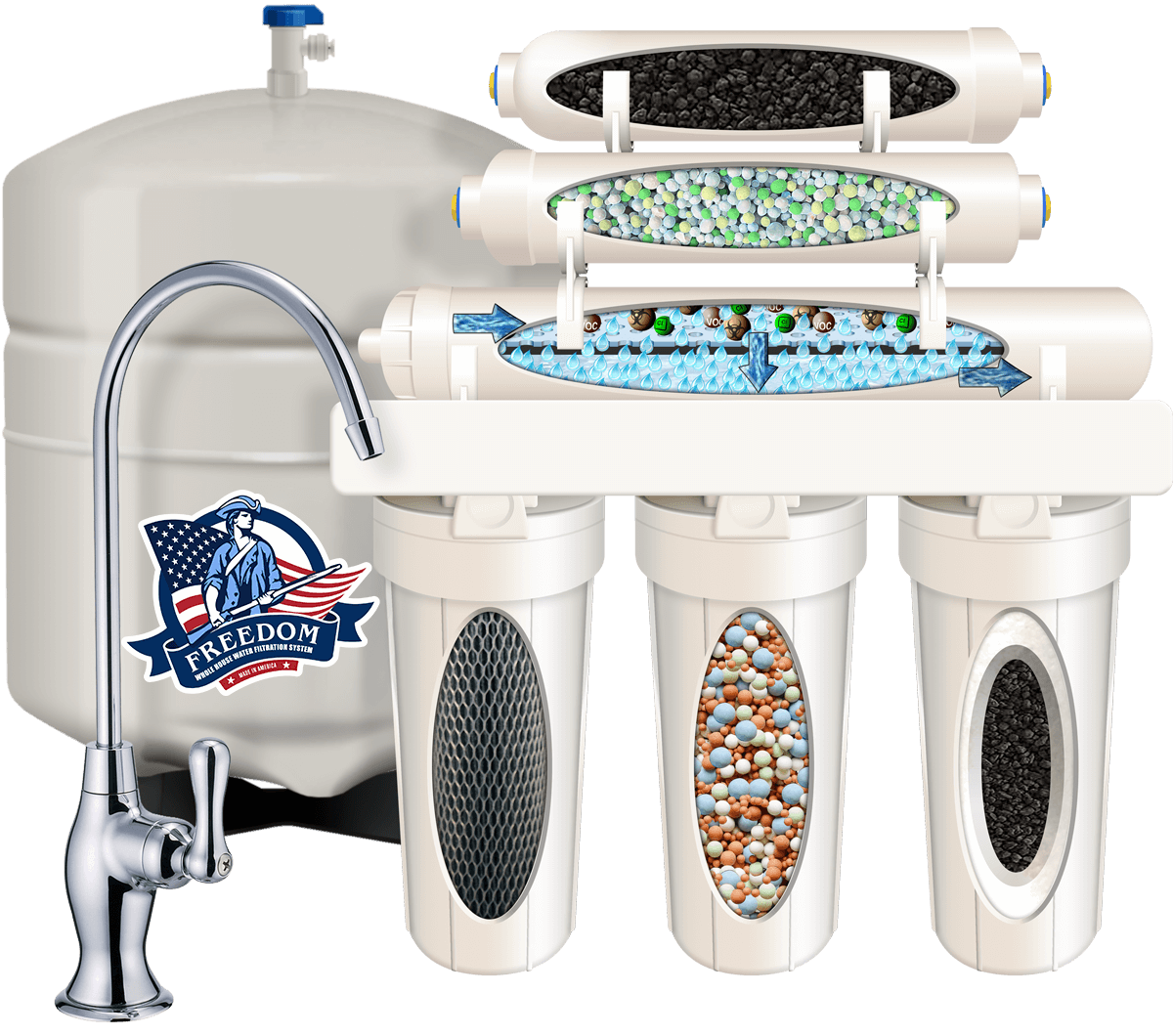
Reverse osmosis can be an effective point-of-use treatment option when the system has documented performance for lead reduction. RO systems are commonly installed beneath the kitchen sink to treat water used for drinking and cooking.
If testing indicates that lead is entering the water from a service line, household plumbing, or fixture, filtration may be only part of the solution. Replacing lead-containing plumbing components can address the source rather than relying solely on ongoing filtration.
Lead requires a different approach than many contaminants because the source may be inside the home's own plumbing system. A whole-house filter installed where water enters the home may not address lead that is introduced farther downstream by pipes, solder, faucets, or fixtures.
For this reason, drinking-water treatment is often focused at the point of use. A properly selected reverse osmosis system or filter with verified lead-reduction performance can provide an additional layer of protection at the taps used for drinking and cooking.
If your home has older plumbing, a lead service line, or you are uncertain about the materials used in your plumbing system, consider testing your drinking water for lead. Public-water customers can also contact their local utility for information about service lines, water-quality testing, and local lead programs.

Start with your water conditions. Freedom Water Systems can help you understand your results and determine which filtration approach may be appropriate for your home.


